Saxe-Coburg-Saalfeld — 1 ducat of Ernest Frederick, 1766
Ducat gold (.986), Saalfeld Mint
Gold ducat of Duke Ernest Frederick of Saxe-Coburg-Saalfeld, struck at Saalfeld in 1766 from gold mined near Reichmannsdorf. It belongs to the mining coinage (Ausbeutemünzen); the Latin reverse legend identifies the origin of the metal. The striking of gold mining ducats at Saalfeld dates back to the late seventeenth century and served the representational interests of the local dukes. According to the Saalfeld municipal museum and archive, gold mining near Reichmannsdorf was suspended again in 1766 because it was unprofitable. The Preussag collection catalogue records a mintage of six for the 1766 ducat.
Added: Nov 27, 2026 · Updated: Nov 27, 2026

Design
Armoured portrait of Ernest Frederick — ducat design of 1766
Right-facing bust of Duke Ernest Frederick, wearing a tied wig, armour and a sash, with an order insignia on his breast. A Latin titulary legend surrounds the portrait, within a denticled border.
Inscriptions
ERNESTVS FRIDERICVS D.G.D.S.COB.SAALFELD.

Design
View of Reichmannsdorf — mining ducat design of 1766
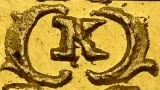
View of Reichmannsdorf with a church, houses, hills and trees. A radiant sun appears at upper left. Below, the date 1766 is divided by the letter K within an ornamental frame; beneath the date is a miner at a hand-operated windlass. The circular Latin legend identifies the origin of the gold.
Inscriptions
EX AVRO PVRO AC VERO REICHMANNSDORFFIANO. · 17 66
Characteristics
Currency
Conventionsthaler
Knowledge graph and related objects
Connected from this Knowledge
Connected through “Country”
Connected through “Object type”